Put Option Explained: Put Buy vs Put Sell
A put option gains value when the underlying falls. Learn put buying, put selling, hedging use cases, and the risks of short puts.
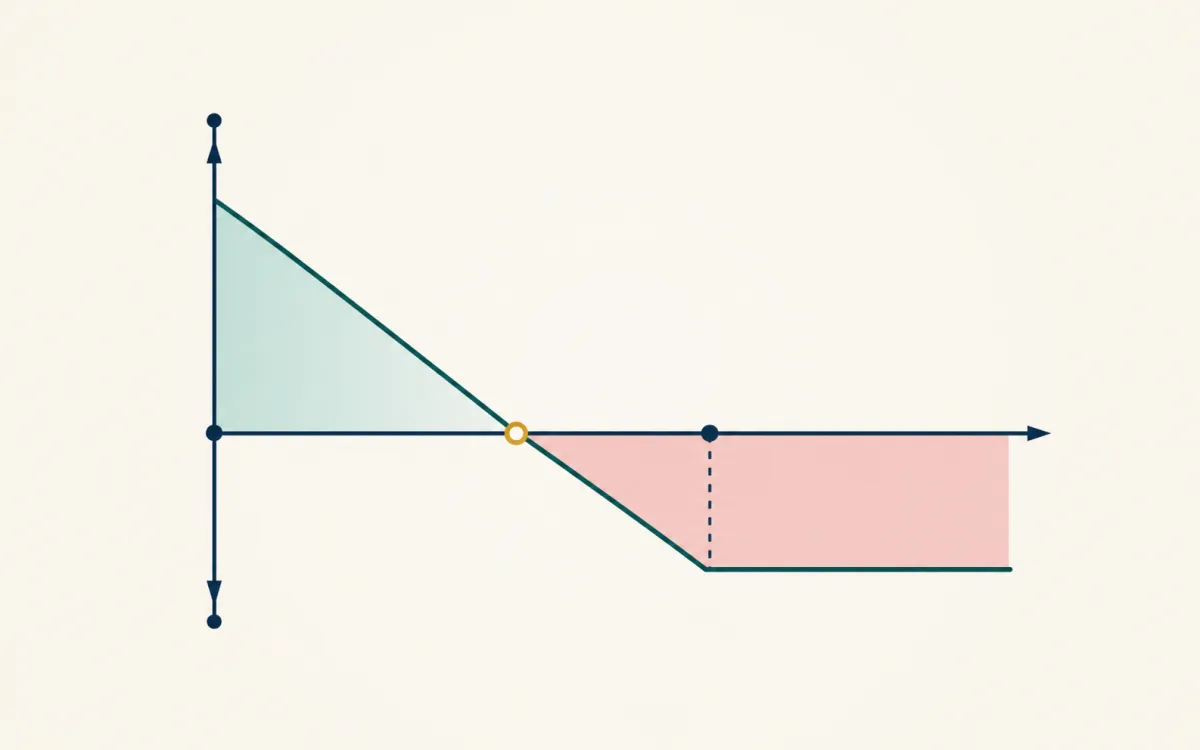
A put option is often described as downside protection. That is true for the buyer, but not for the seller. As with calls, put buying and put selling are opposite trades.
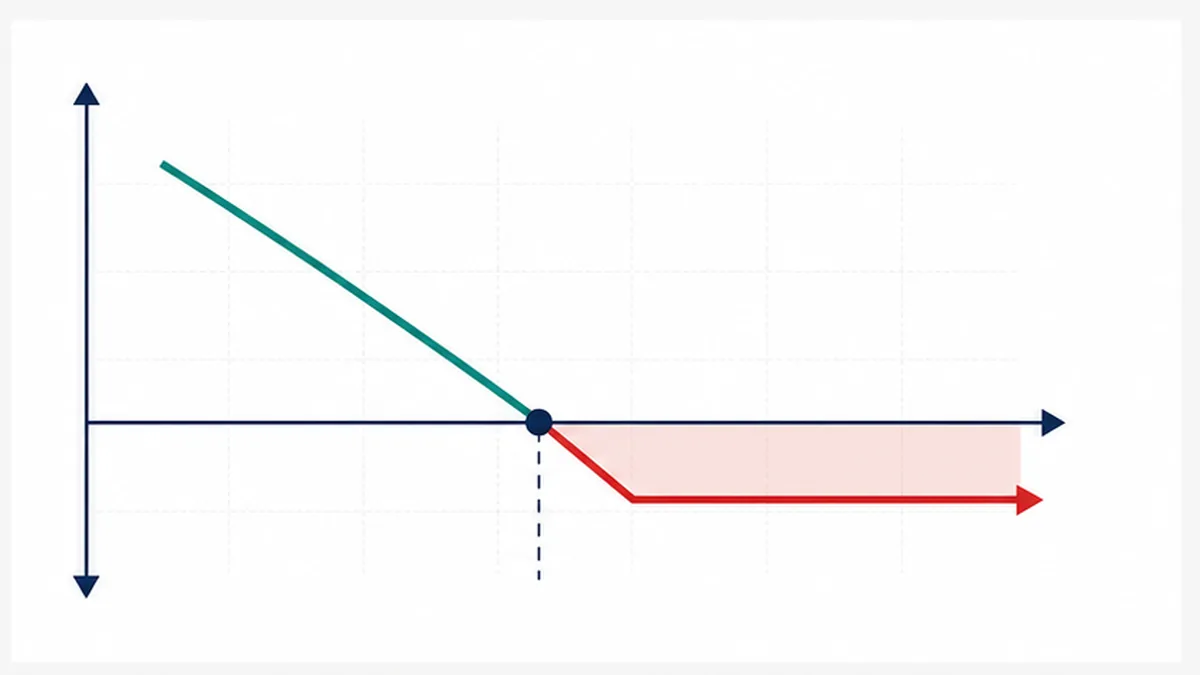
Put buying
When you buy a put, you pay a premium. The put generally gains value when the underlying falls. This can be used either to speculate on a decline or to hedge a portfolio.
Example: suppose an index is at 20,000 and you buy a 19,800 put. If the index falls sharply, the put may gain value. If the index stays above the strike or does not fall enough before expiry, the premium can decay.
For a put buyer:
- Maximum loss is the premium paid.
- Profit potential rises as the underlying falls.
- Time decay works against you.
- The hedge may fail if the strike, size, or timing is wrong.
Put buying example
Suppose an index is at 20,000. You buy a 19,800 put for a premium of 70 points.
At expiry:
| Index at expiry | Option value | Profit/loss before costs |
|---|---|---|
| 20,100 | 0 | -70 |
| 19,800 | 0 | -70 |
| 19,730 | 70 | 0 |
| 19,500 | 300 | +230 |
The breakeven is:
Strike - premium = 19,800 - 70 = 19,730
The index must fall below 19,730 by expiry for this example to profit before costs.
Put selling
When you sell a put, you receive premium. You profit if the underlying stays above the strike or the option loses value. But if the underlying falls sharply, losses can be large.
For a put seller:
- Maximum profit is usually the premium received.
- Loss can be significant if the underlying collapses.
- Margin is required.
- Risk increases during market crashes and gap-down openings.
Put selling can feel comfortable during calm markets because many options expire worthless. The danger is that one large move can undo many small gains.
Protective put vs naked put selling
A protective put is bought by someone who already has exposure and wants downside protection. It is a cost, like insurance.
Naked put selling is different. The seller receives premium but takes downside risk if the underlying falls. In a sharp fall, losses and margin requirements can increase together.
Some traders use hedged put-selling strategies to limit downside, but hedging reduces premium and adds complexity. Unhedged short puts should be treated as high-risk.
Puts as portfolio insurance
An investor holding a stock portfolio may buy index puts to reduce downside risk. This is similar to insurance: you pay a premium, and the protection has an expiry date.
But just like insurance, hedging has trade-offs. If the market does not fall, the premium may be lost. If the hedge is too small or too far away from the current price, protection may be limited.
Why timing matters
Puts often become more expensive when markets are already falling because implied volatility rises. Buying protection after panic begins can be costly. But buying protection too early can also lose money through time decay.
This is why hedging is a planning decision, not an emotional reaction.
Sizing a hedge
A hedge is not useful just because you bought a put. The quantity and strike matter.
Suppose you hold an equity portfolio worth ₹10 lakh. A tiny put position may not protect much. A very large put position may become a speculative bearish trade rather than a hedge. A far out-of-the-money put may protect only against a crash, while a closer strike costs more but protects sooner.
Good hedging starts with a question: how much downside am I trying to reduce, and for how long? Without that answer, put buying can become expensive guesswork.
Common mistakes to avoid
- Buying puts too late after a large fall. Premiums may already be expensive.
- Assuming every put is a good hedge. Strike, expiry, and quantity matter.
- Selling puts because the premium looks attractive. High premium often means high risk.
- Ignoring gap risk. Markets can open far below the previous close.
Bottom line
A put buyer pays premium for downside exposure or protection. A put seller collects premium but accepts downside risk. Puts are useful tools, but they are not shortcuts around risk.
Frequently asked questions
What is a put option?
A put option gives the buyer the right, but not the obligation, to sell the underlying at a specified strike price.
Why do investors buy puts?
They may buy puts to benefit from a fall or to hedge an existing portfolio against downside.
Is put selling safe?
Put selling is not risk-free. A sharp fall in the underlying can create large losses and margin pressure.
What is the breakeven for a put buyer?
For a simple long put, breakeven at expiry is strike price minus premium paid.
What is a protective put?
A protective put is a put bought to reduce downside risk on an existing holding or portfolio. It works like insurance, but the premium is a real cost.
Sources & further reading
Was this article helpful?