F&O Risk and Margin: Why Leverage Can Hurt Quickly
F&O margin makes large exposure possible with less cash, but leverage can magnify losses. Learn margin, mark-to-market, and risk controls.
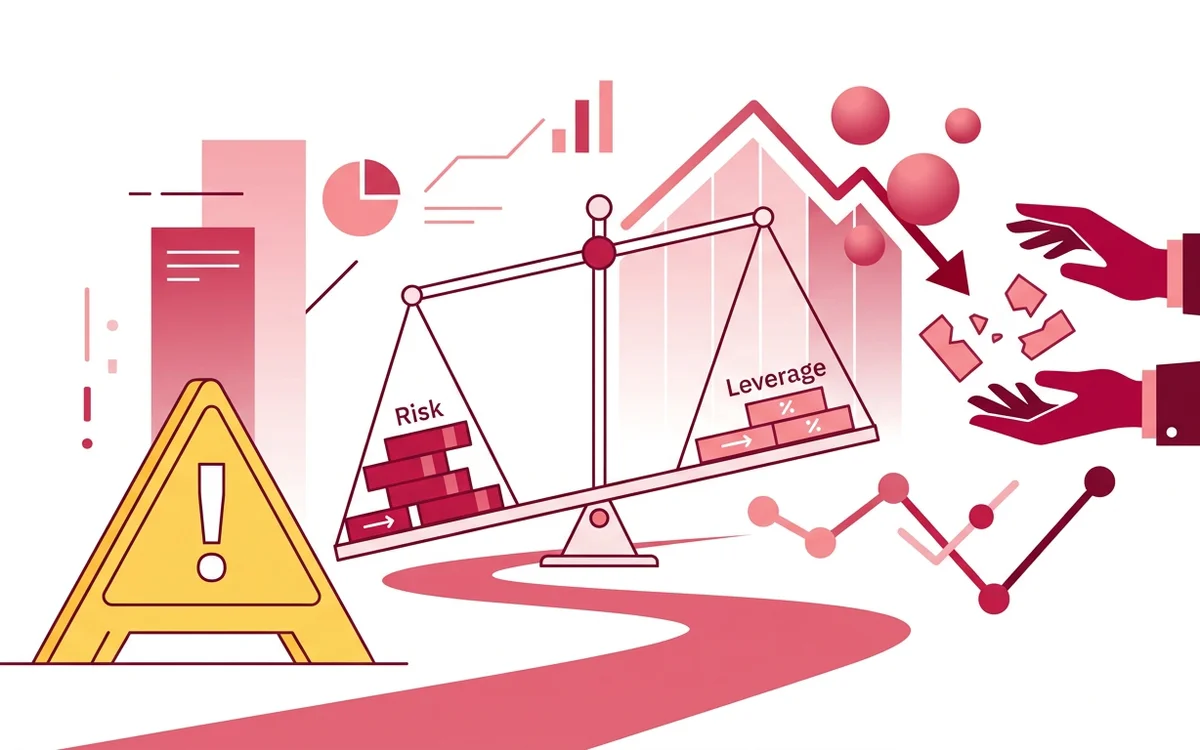
Margin is one of the most misunderstood words in F&O. Many traders see it as the amount needed to enter a trade. That is true, but incomplete. Margin is not the maximum loss. It is a deposit required to hold a leveraged position.
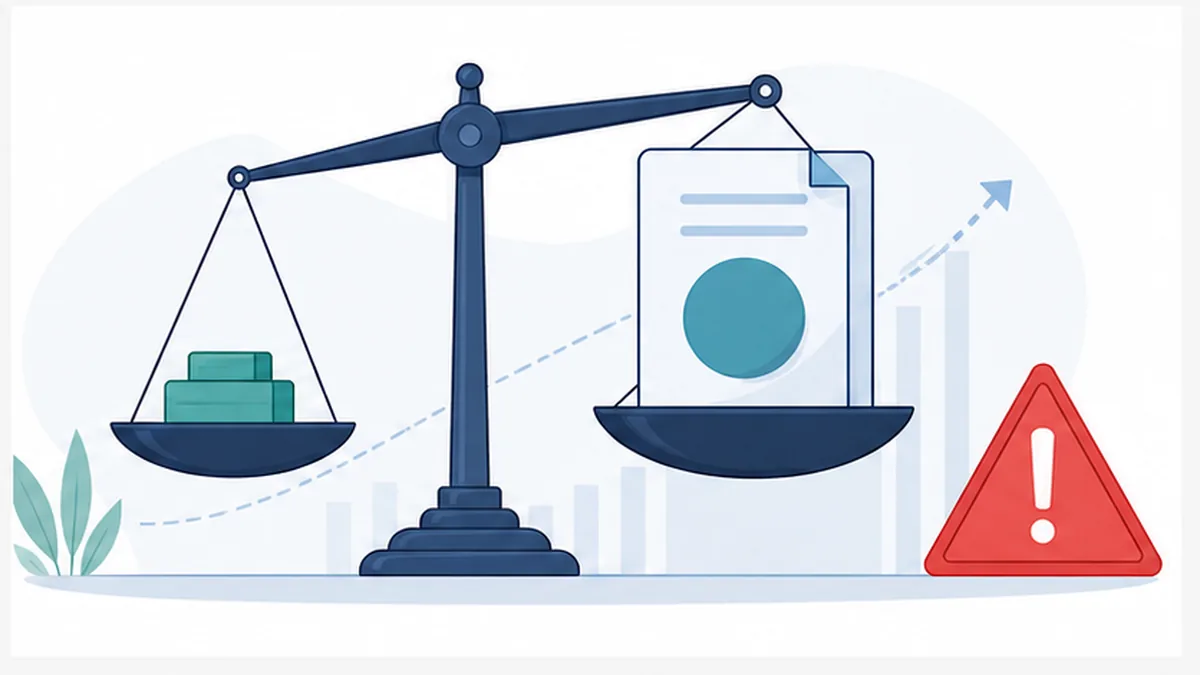
Margin creates leverage
In F&O, you may control a large contract value with a smaller margin amount. This is leverage.
If a contract represents ₹10,00,000 of exposure and you need ₹1,50,000 margin, you are not taking a ₹1,50,000 trade. You are taking exposure to a much larger value. A 2% move in the underlying is ₹20,000 on ₹10,00,000 exposure, which is a much larger percentage of your margin.
That is how profits can grow quickly. It is also how losses can grow quickly.
A leverage example
Suppose your F&O position has ₹10,00,000 of exposure and you use ₹1,50,000 of capital as margin. If the underlying moves 2% against you, the exposure-level loss is about ₹20,000 before costs.
That is only 2% of the underlying exposure, but it is more than 13% of your ₹1,50,000 capital. If the move is 5%, the loss is about ₹50,000, or one-third of your margin capital.
This is the core danger: leverage makes ordinary market moves feel large at the account level.
Mark-to-market losses
Futures positions are marked to market. This means gains and losses are calculated based on market prices. If the position moves against you, you may need to bring in more funds or reduce the position.
Option sellers also face margin requirements. During volatility, margin can rise and losses can expand at the same time. This creates pressure when traders are least comfortable.
Gap risk
Markets do not always move smoothly. A stock or index can open far above or below the previous close after news, global market movement, results, policy decisions, or unexpected events.
Stop-loss orders may not protect you at the planned price during a gap. A position that looked controlled at yesterday's close can open with a much larger loss. This risk is especially important for futures and naked option selling.
If a position can create a loss you cannot fund during a gap move, the position is too large or too risky.
Option buying risk
Option buyers do not face unlimited loss in the same way. Their maximum loss is the premium paid. But that does not make option buying easy. Many bought options expire worthless because the expected move does not happen fast enough.
So the risk differs:
- Option buyer: limited loss per trade, but high chance of premium decay.
- Futures trader: directional exposure with leveraged gains and losses.
- Option seller: premium income with potentially large adverse moves and margin pressure.
Risk controls that matter
Before any F&O trade, define:
- The maximum rupee loss you can tolerate.
- The exit point if the trade is wrong.
- Whether the position is hedged.
- How much liquidity is available for entry and exit.
- Whether a gap opening can create a loss bigger than planned.
- How much of total capital is at risk.
The market does not care how confident you feel. Position size is the part you control.
A practical risk checklist
Before entering any F&O position, write down:
| Question | Why it matters |
|---|---|
| What is my maximum planned loss? | Prevents emotional averaging |
| What is the worst gap scenario I can imagine? | Tests survival, not comfort |
| Is the position hedged? | Defines whether loss is capped |
| How liquid is the contract? | Affects exit quality |
| What happens near expiry? | Expiry changes risk quickly |
| How much unused capital remains? | Margin buffer matters |
If you cannot explain the risk in one paragraph, do not place the trade.
Position sizing matters more than conviction
Many traders focus on being right. Survival depends more on position size. A good idea can still lose money if the entry is early, volatility changes, or the market gaps. A small position gives you room to think. An oversized position forces emotional decisions.
A useful rule is to define loss in rupees before entering the trade, not after the trade moves against you. If the planned loss feels painful, reduce size or skip the trade.
Common mistakes to avoid
- Thinking margin is the loss limit. It is only the required deposit.
- Using full available margin. This leaves no buffer for adverse movement.
- Selling options without understanding worst-case scenarios. Calm markets can change suddenly.
- Averaging losing F&O trades. Leverage makes this especially dangerous.
Bottom line
F&O margin allows large exposure with less upfront cash. That is useful for hedging and dangerous for undisciplined speculation. Treat margin as a risk amplifier, not as an affordability signal.
Frequently asked questions
Is margin the maximum I can lose?
No. Margin is a deposit required to carry a position. Losses can exceed initial margin depending on the position and market movement.
What is mark-to-market?
Mark-to-market means profits and losses are calculated based on current market prices, often daily or intraday.
Why is leverage dangerous?
Leverage magnifies both gains and losses. A small percentage move in the underlying can create a large percentage change in your capital.
What is a margin call?
A margin call or shortfall happens when available funds or collateral are not enough for the position's required margin. The broker may ask for more funds or square off positions.
Can hedging reduce margin?
Certain hedged positions may require less margin than naked positions, but hedging does not remove risk. It changes the risk profile and can introduce execution and liquidity risk.
Sources & further reading
Was this article helpful?