Call Option Explained: Call Buy vs Call Sell
A call option gains value when the underlying rises. Learn what call buying and call selling mean, including payoff, premium, and risk.
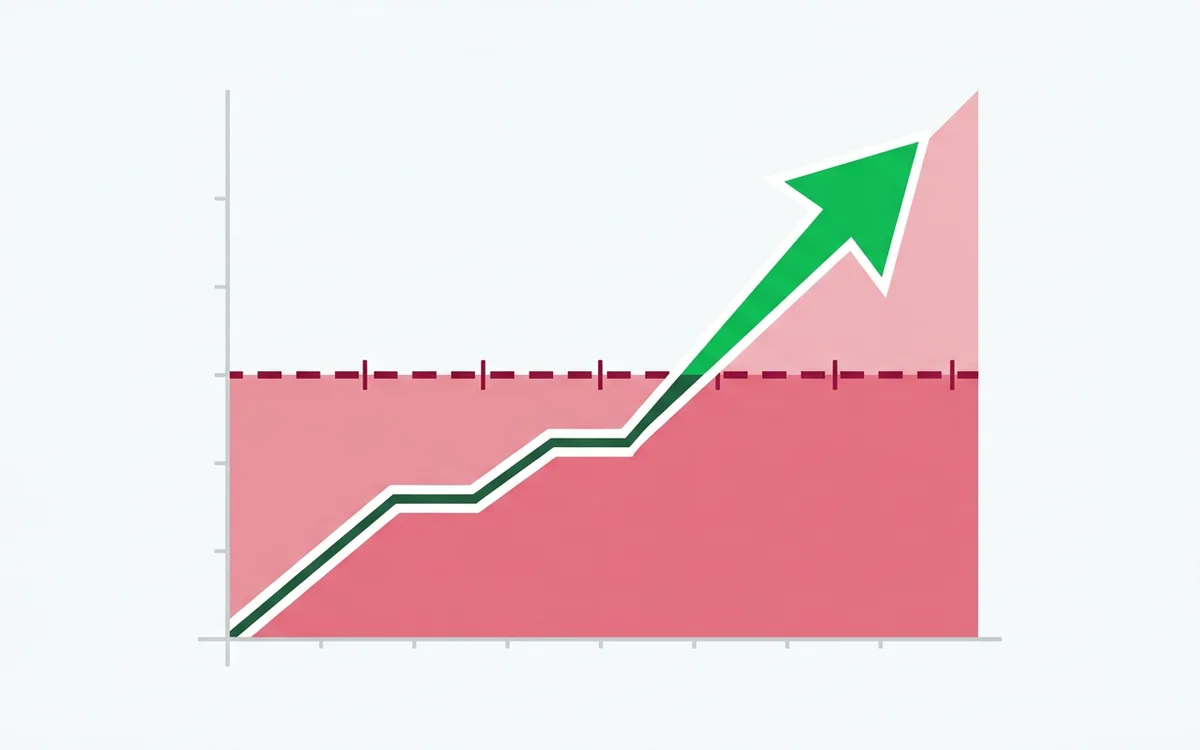
A call option is the option contract most people hear about first because it benefits from upward price movement. But "buying a call" and "selling a call" are opposite positions with very different risks.
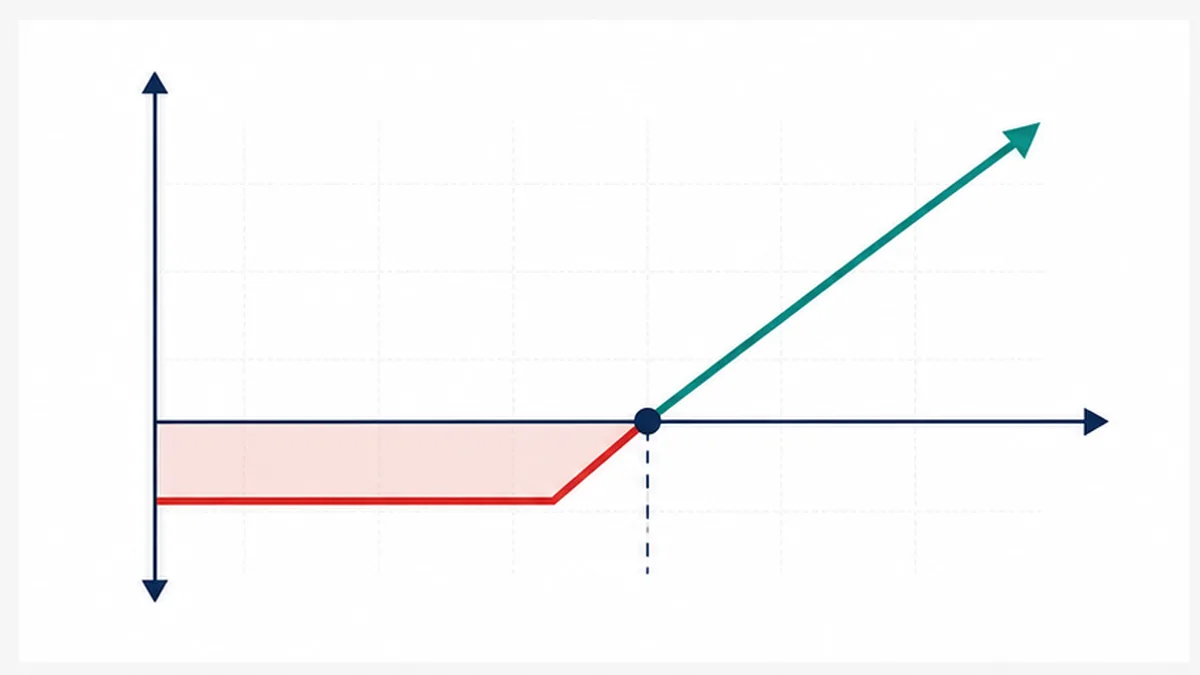
Call buying
When you buy a call, you pay a premium. You profit if the underlying rises enough for the option value to exceed the premium paid.
Example: suppose an index is at 20,000 and you buy a 20,200 call. If the index rises strongly before expiry, the call may gain value. If the index stays flat or falls, the option may lose value and can expire worthless.
For a call buyer:
- Maximum loss is the premium paid.
- Profit potential can be large if the underlying rises sharply.
- Time decay works against you.
- Volatility and liquidity affect the option price.
Call buying example
Suppose an index is at 20,000. You buy a 20,200 call for a premium of 80 points.
At expiry:
| Index at expiry | Option value | Profit/loss before costs |
|---|---|---|
| 20,000 | 0 | -80 |
| 20,200 | 0 | -80 |
| 20,280 | 80 | 0 |
| 20,500 | 300 | +220 |
The breakeven is:
Strike + premium = 20,200 + 80 = 20,280
This is why being directionally right is not enough. The index must rise enough, soon enough, to beat the premium.
Call selling
When you sell a call, you receive the premium. You profit if the option loses value or expires worthless. But if the underlying rises sharply, losses can become very large.
For a naked call seller:
- Maximum profit is usually the premium received.
- Loss can be very large if the underlying keeps rising.
- Margin is required.
- Risk control is essential.
This is why option selling should not be treated as "easy income." Premium is compensation for taking risk.
Naked call vs covered call
A naked call is sold without owning the underlying. This can be extremely risky because there is no natural cap on how high the underlying can rise.
A covered call is sold against an existing holding. For example, an investor who owns shares may sell a call to receive premium. If the price rises above the strike, the investor's upside is capped. If the price falls, the premium provides only limited cushion.
Covered calls are more conservative than naked calls, but they are not free money. You are exchanging some upside for premium.
Intrinsic value and time value
A call option has intrinsic value when the underlying price is above the strike price. The rest of the premium is time value, influenced by time left to expiry, volatility, interest rates, dividends, and demand-supply.
Why call buyers can still lose in a rising market
Call buyers can lose even if the underlying rises a little. Reasons include:
- The move was smaller than the premium paid.
- The move happened too slowly and time decay reduced the option value.
- Implied volatility fell after entry.
- The option had poor liquidity and a wide bid-ask spread.
This is why options should be understood as direction plus time plus volatility, not direction alone.
Choosing strike and expiry
A closer strike usually costs more but needs a smaller move to become profitable. A far out-of-the-money call is cheaper, but it needs a larger and faster move. A longer expiry gives more time but usually costs more premium. A shorter expiry is cheaper but decays faster.
There is no universally "best" strike. The right strike depends on the expected move, time frame, liquidity, and acceptable loss. Beginners often buy the cheapest call because the rupee amount looks small. That is usually a sign they are ignoring probability and time decay.
Common mistakes to avoid
- Buying far out-of-the-money calls only because they are cheap. They often need a large move quickly.
- Holding calls while time decay eats premium. Direction can be right but timing can still lose money.
- Selling naked calls without a stop or hedge. One sharp rally can wipe out many small gains.
- Ignoring liquidity. Wide bid-ask spreads can make entry and exit costly.
Bottom line
A call buyer pays premium to participate in upside. A call seller collects premium but takes the other side of that risk. The word "call" is simple; the payoff and risk deserve careful study.
Frequently asked questions
What is a call option?
A call option gives the buyer the right, but not the obligation, to buy the underlying at a specified strike price.
What is the maximum loss for a call buyer?
The maximum loss for a call buyer is the premium paid, if the option expires worthless.
Is call selling risky?
Yes. A naked call seller can face very large losses if the underlying rises sharply.
What is the breakeven for a call buyer?
For a simple long call, breakeven at expiry is strike price plus premium paid.
What is a covered call?
A covered call means selling a call while already owning the underlying. It is less risky than a naked call, but it still caps upside and has its own trade-offs.
Sources & further reading
Was this article helpful?