How Your CIBIL Score Works (and How to Improve It)
Your credit score quietly shapes whether you get loans and at what rate. Here's what goes into a CIBIL score and how to build a healthy one.
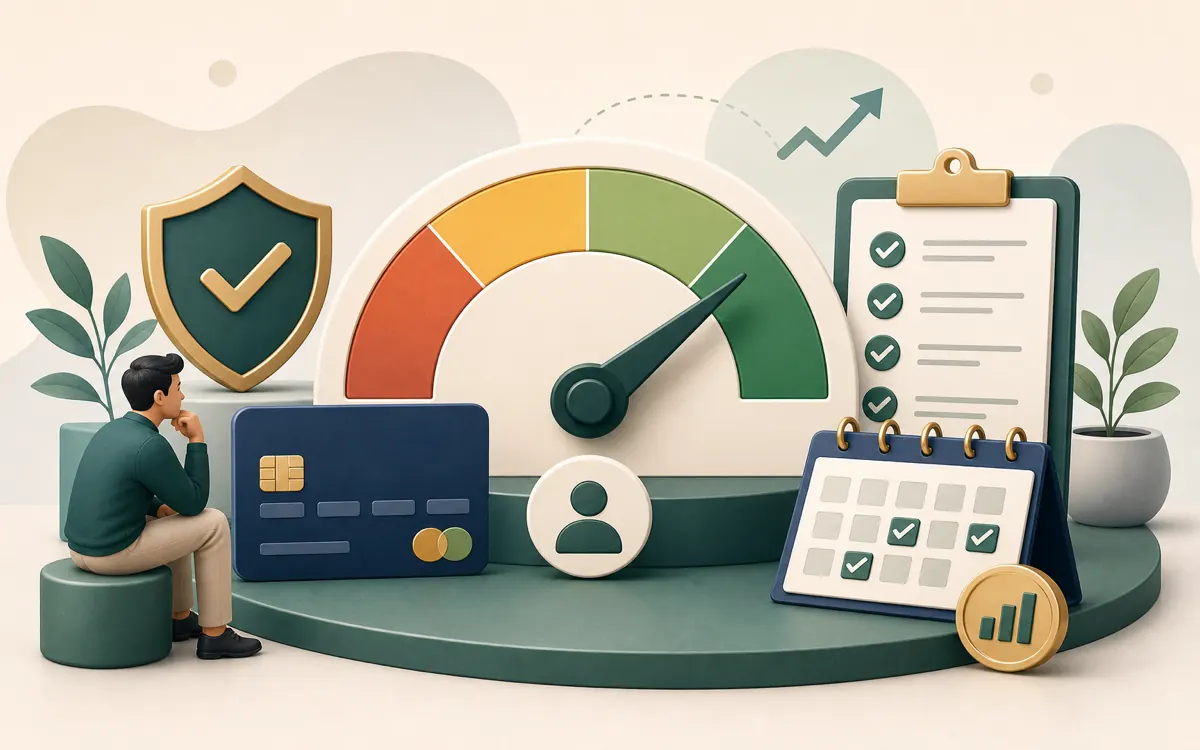
When you apply for a loan or a credit card in India, the lender quietly checks a number that sums up your borrowing history. The best known is the CIBIL score, and a healthy one can mean easier approvals and lower interest rates.
What a CIBIL score is
CIBIL is one of several credit bureaus in India; the others produce similar scores. Lenders use these scores to judge how risky it is to lend to you. Broadly, a score in the mid-700s and above is considered strong, while lower scores can lead to rejections or higher rates.
What goes into the score
While the exact formula is proprietary, the main ingredients are well understood:
- Payment history — whether you pay your EMIs and card bills on time. This is the single biggest factor, and even one missed payment can hurt.
- Credit utilisation — how much of your available credit limit you are using.
- Length of credit history — how long you have been responsibly using credit.
- Credit mix — a healthy blend of secured loans (like a home loan) and unsecured ones (like a card).
- New credit enquiries — applying for many loans or cards in a short span can look risky.
How to improve it
There is no overnight fix, but the habits that build a good score are straightforward:
- Pay every bill on time. At minimum, never miss the amount due. Paying a credit-card statement in full also avoids revolving interest, which is good financial practice even though payment timeliness and interest cost are different issues.
- Keep utilisation low. Using a small fraction of your limit looks better than maxing it out. Paying before the statement date can help.
- Do not close your oldest card without reason — a longer history generally helps.
- Apply sparingly. Space out new credit applications rather than applying for several at once.
- Check your report regularly and dispute any errors — mistakes on credit reports are not rare.
Why it matters
A good score can improve the likelihood of loan or credit-card approval and may help you qualify for better terms. On a large, long loan such as a home loan, even a small interest-rate difference can affect the total repayment substantially. Treat the report as a borrowing record worth monitoring, while remembering that every lender uses its own underwriting criteria and does not decide from the score alone.
A quick myth to drop
Checking your own score does not lower it — that is a "soft" enquiry. It is repeated lender enquiries from many applications (hard enquiries) that can weigh on your score. So reviewing your own report regularly is good practice, not a risk.
Common mistakes to avoid
- Missing payment due dates. Payment history is the biggest factor — even one missed payment hurts.
- Maxing out your credit limits. High utilisation signals over-reliance on credit; keep balances low.
- Applying for many cards or loans at once. A cluster of hard enquiries looks risky.
- Closing your oldest card. A longer credit history generally helps your score.
Bottom line
Your CIBIL score is a running summary of how dependably you handle credit. It moves slowly, rewards consistency, and is built mainly by paying on time and not over-using your limits. Treat it as a long-term habit, not a number to game, and it will quietly work in your favour. A solid budget makes on-time payments far easier.
Frequently asked questions
What is a good CIBIL score?
Scores run from 300 to 900, and a score in the mid-700s and above is generally considered strong. A higher score can mean easier loan approvals and lower interest rates.
Does checking my own credit score lower it?
No. Checking your own score is a soft enquiry and does not affect it. It is repeated lender enquiries from many applications (hard enquiries) that can weigh on your score.
How can I improve my credit score?
Pay every bill on time and in full, keep your credit utilisation low (often suggested below 30%), avoid applying for many products at once, and don't close your oldest card without reason.
How quickly can I improve my score?
There is no overnight fix. The score moves slowly and rewards consistency, so the improvement comes from steady, responsible habits over months.
Sources & further reading
Was this article helpful?